
Addison's disease in dogs: living with it (Cora's story)
This page shares one owner's experience. It is not veterinary advice. If you think your dog is unwell, contact your vet straight away. If your dog collapses, treat it as an emergency.
What is Addison's disease?
Addison's disease (the medical name is hypoadrenocorticism) is when a dog's adrenal glands don't make enough of certain hormones. These hormones help the body handle stress and keep salt and water levels balanced. Only a vet can diagnose it, usually with blood tests.
Cora's story
Before: the signs we missed
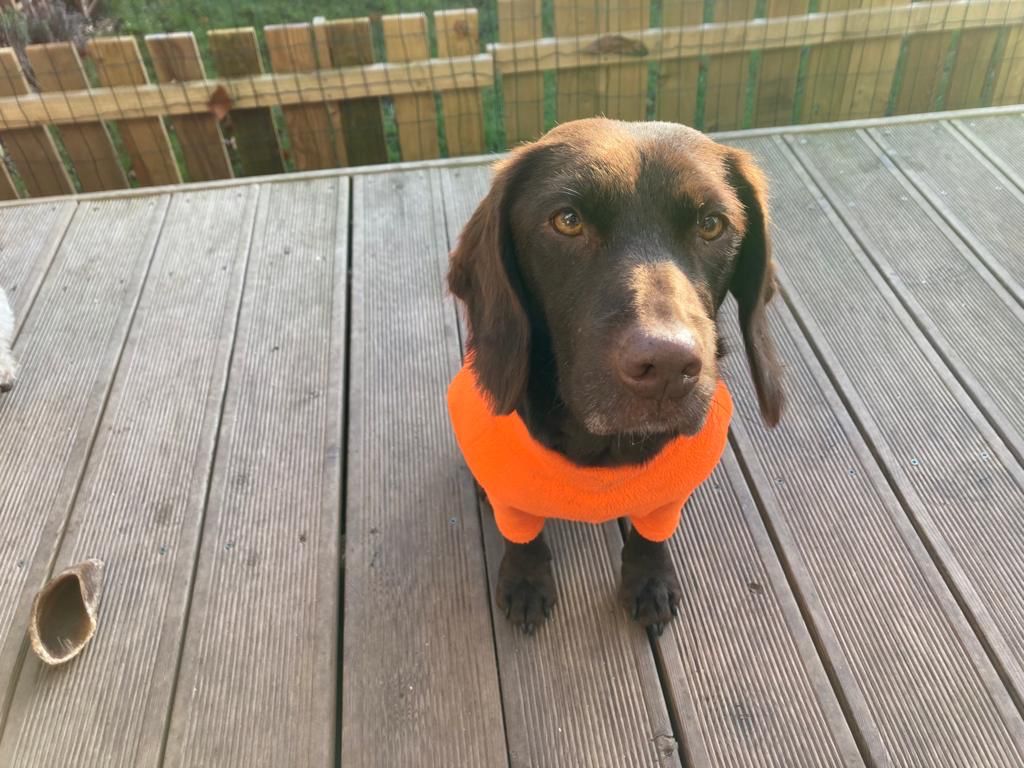
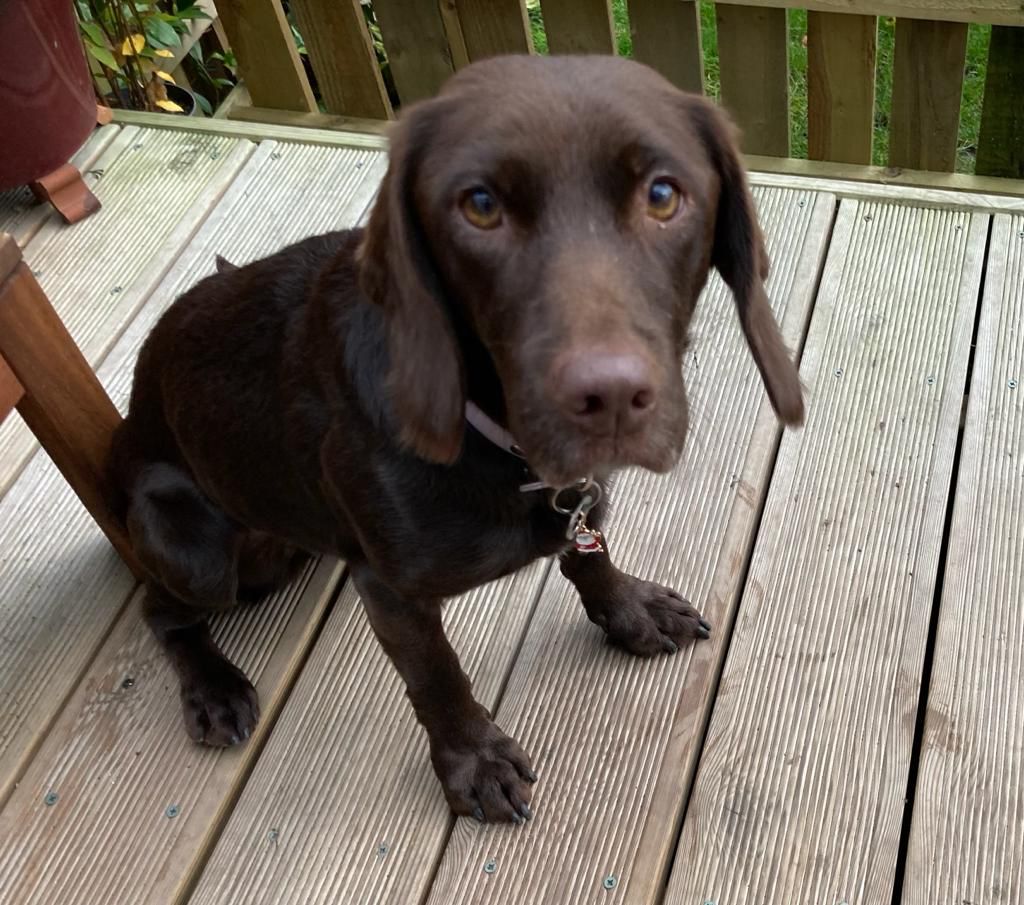
Cora was always an energetic and enthusiastic dog who loved to play and eat. She started to lose her appetite, but we put that down to boredom with her food. We tried lots of different types of food, which she would eat for a few days before losing interest once again.
Her energy levels dropped gradually, and her weight loss was noticeable.
Getting a diagnosis
The vets struggled to diagnose the problem, but her symptoms were identified at the Small Animal Teaching Hospital (SATH) in Neston, part of the University of Liverpool's Leahurst campus. They saved her from reaching an Addisonian crisis.
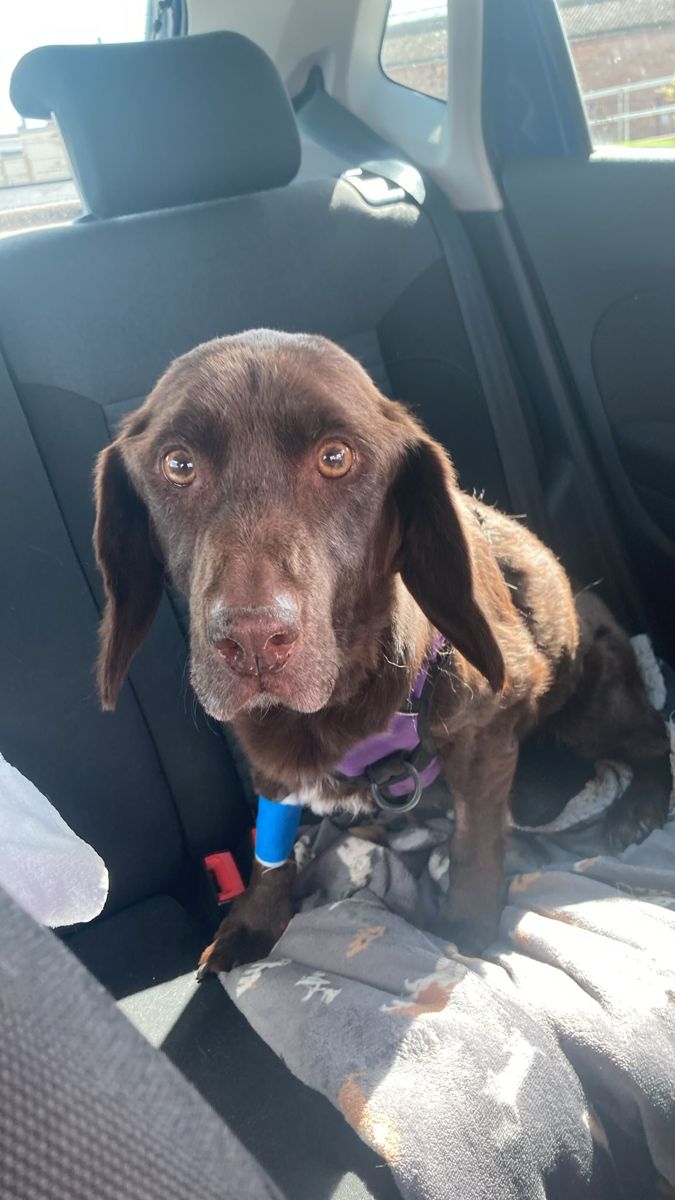
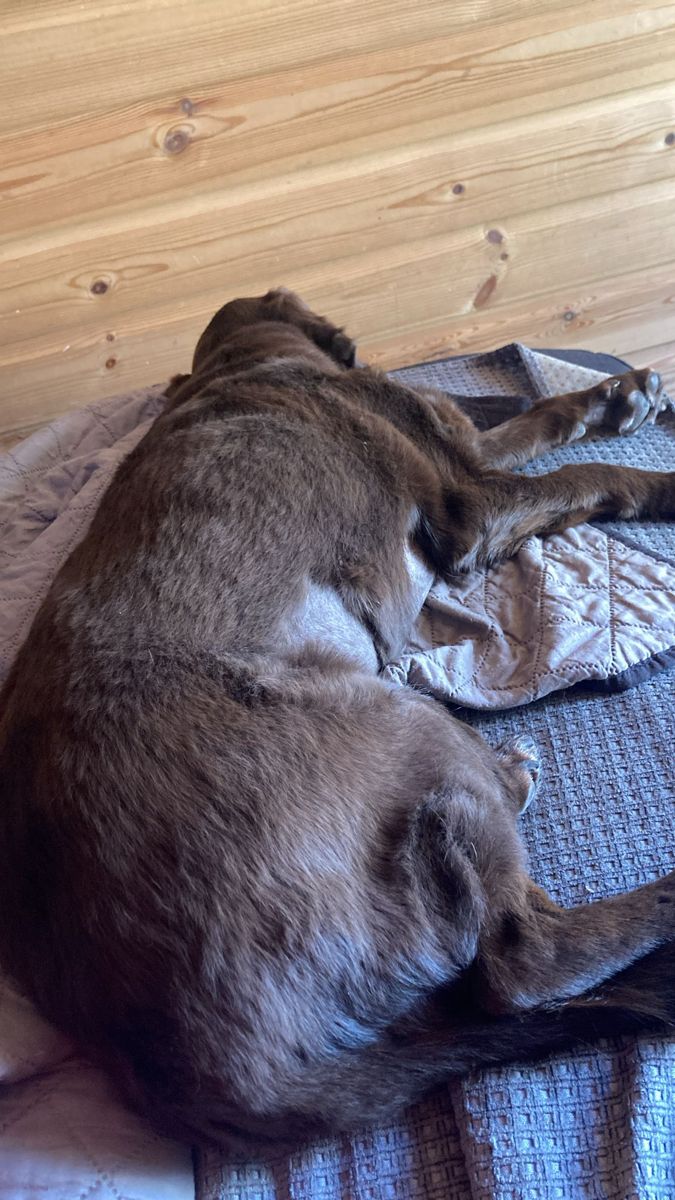
After about three weeks of being really unwell, with lethargy, poor appetite and an upset tummy, Cora was referred to the SATH on 1 April 2026. As owners we felt helpless, and we had put her lack of appetite down to something minor. At the hospital she was treated with fluids and started on Zycortal and a steroid.
Today
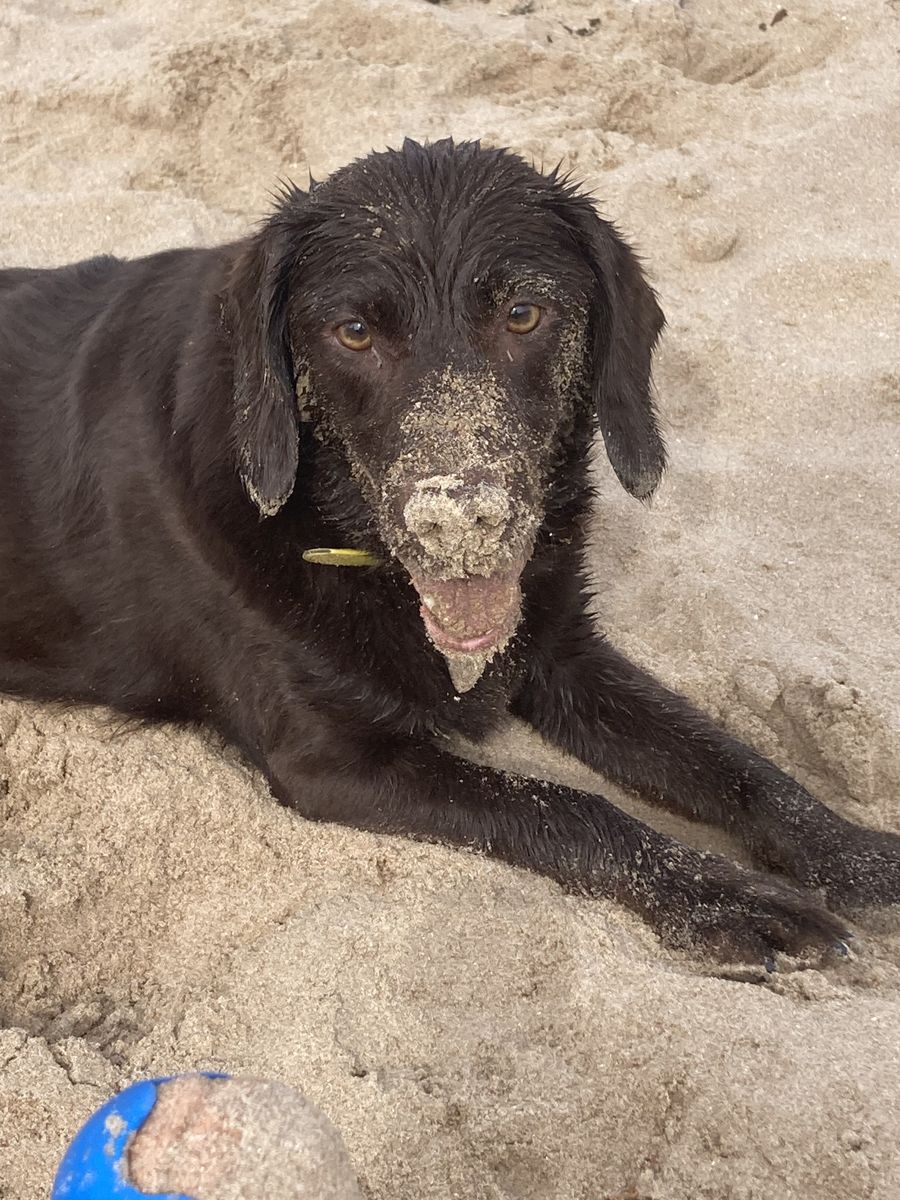
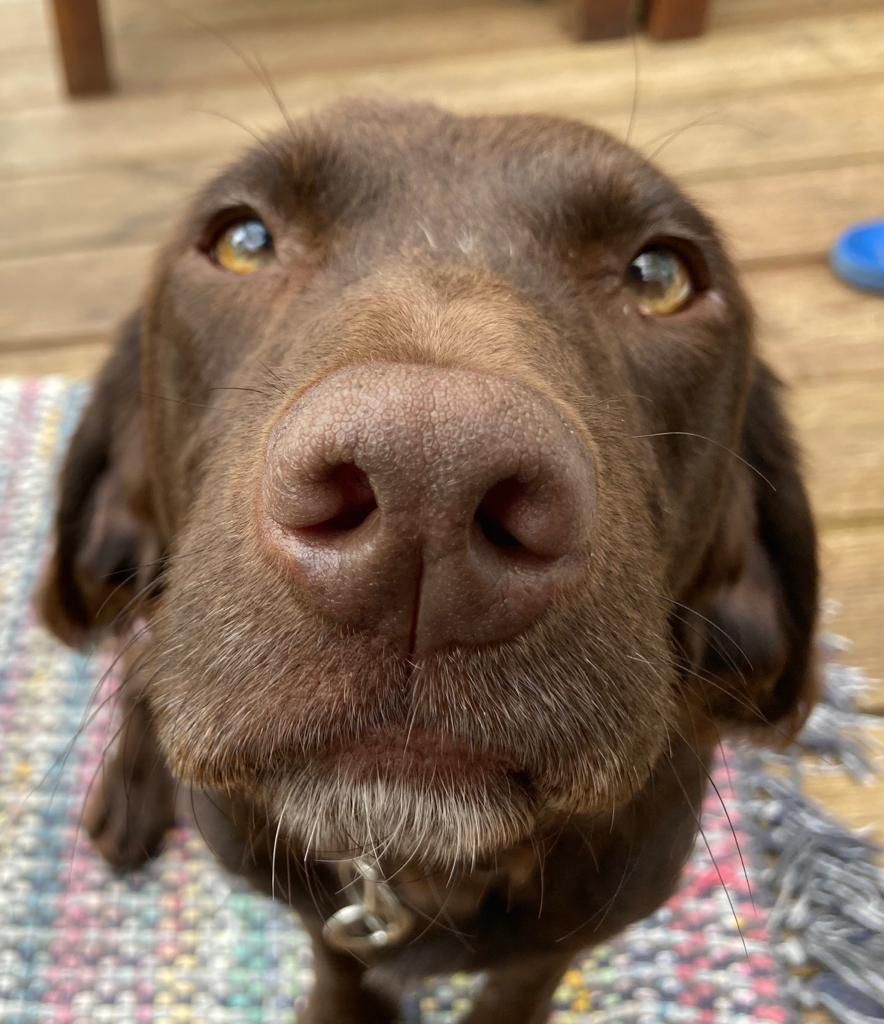
Cora has her Zycortal injections at her vets every month, and her appetite, energy and enthusiasm have returned. She's back to being a happy dog.
What I would tell another owner
If I could go back in time, I would have taken her to the vets sooner and asked for her blood to be tested for Addison's disease. Although, hindsight is a luxury we didn't have.
Life on Zycortal
Cora is treated with Zycortal, a prescription injection given by the vet. Many dogs on it also take other medication prescribed by their vet. Your vet decides the dose, the timing and the check-up blood tests for your own dog. Never change or stop a dose without talking to them.
Cora's routine is simple now. She has her steroid tablets every day with her last meal, and her Zycortal injection at her vets once a month. For the first two months she had blood tests every month. Now that she's stable, she has them less often.
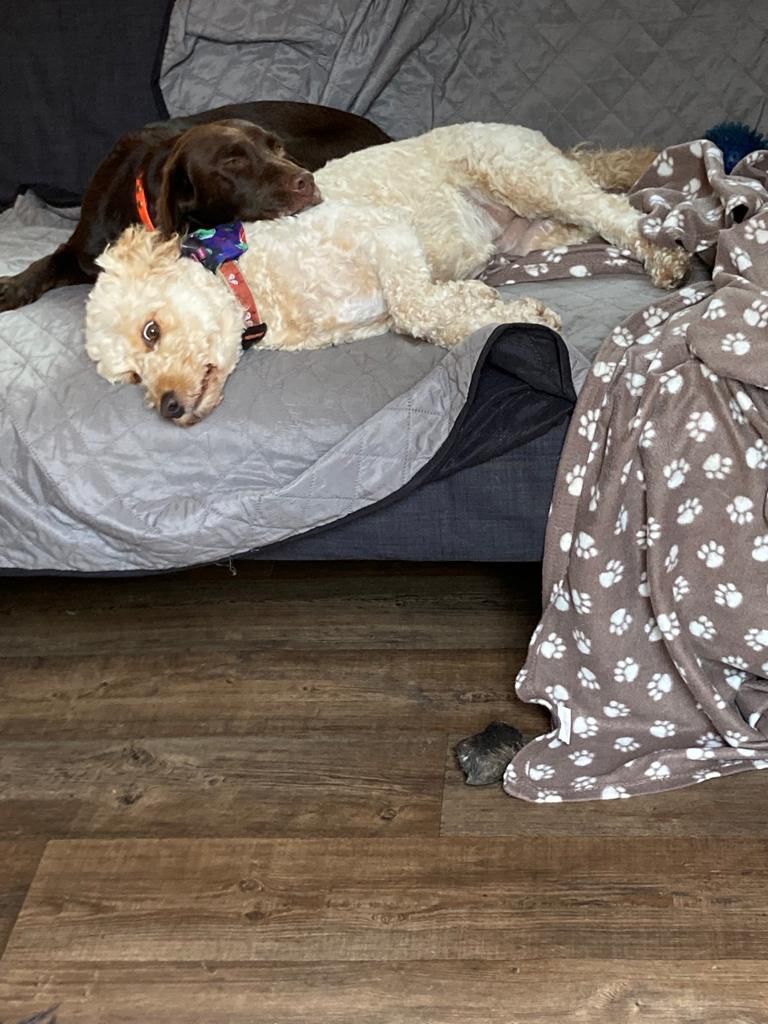
Everyday things that helped us
She is awful during November with fireworks. We use a number of calming supplements in the days building up to 5th November. We also play calming classical music to drown out the explosions.
A note for other owners: stress can matter more for dogs with Addison's disease. Ask your vet whether your dog needs extra steroid cover around stressful events such as fireworks, travel or kennel stays.
Tips for boarders, walkers and groomers
If your dog has Addison's, give anyone caring for them your vet's contact details and a written note of the condition, and ask them to call you or the vet if your dog seems unwell.
Where to find more information
Your own vet is the best source. Ask them to explain your dog's diagnosis and treatment plan, and what signs to watch for.
There are no affiliate links on this page. Affiliate disclosure. This guide is general information, not veterinary advice. Always speak to your vet.